

Meditation is more than a calming ritual it’s a measurable neurological intervention. Over recent decades, neuroscience has mapped how consistent meditation practice remodels the brain, rebalances the stress response system, and supports emotional stability. These changes are not purely subjective: imaging studies and biological markers document real, lasting shifts.

What Meditation Does to the Brain
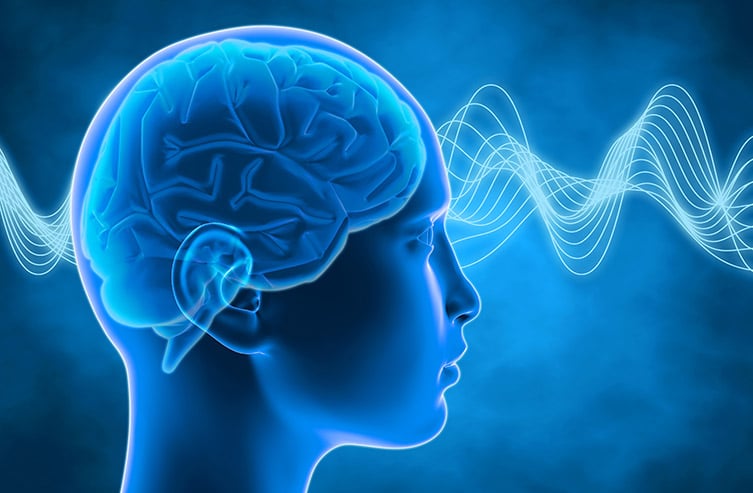
Modern brain-imaging techniques like fMRI and EEG show that meditation alters activity and structure in several key regions:
- Prefrontal cortex (PFC): involved in attention, executive function, and decision-making meditation increases PFC activity and connectivity.
- Amygdala: the brain’s alarm center regular practice reduces amygdala reactivity to stress and emotional triggers.
- Hippocampus: critical for memory and learning meditation is associated with preservation and growth of hippocampal tissue.
- Default Mode Network (DMN): the mind-wandering network meditation quiets the DMN, reducing rumination and self-critical thought patterns.
These neural changes underlie many of the cognitive and emotional benefits people report: improved focus, reduced anxiety, clearer thinking, and more stable mood.
Physiological & Biological Evidence
Beyond imaging, meditation affects measurable biological markers:
- Lowered cortisol: studies consistently show reductions in cortisol the primary stress hormone after meditation programs.
- Reduced inflammatory markers: levels of cytokines and other inflammation indicators tend to fall with regular practice.
- Improved autonomic balance: heart rate variability (HRV) rises, indicating stronger parasympathetic (rest-and-digest) activity.
- Neuroplastic growth: increased gray matter density in regions linked to learning, memory, and emotional regulation.
These changes are not small: even 8–12 weeks of structured meditation programs (like MBSR or MBCT) produce statistically significant improvements in both brain structure and stress physiology.
“Meditation is a training of attention repeated practice changes the brain just like repeated exercise changes muscle.” summarized from neuroplasticity research

Meditation & Emotional Regulation
Emotional regulation is one of meditation’s most consistent outcomes. As amygdala reactivity declines and PFC control strengthens, people report:
- Faster recovery from stressful events
- Less impulsive reactivity
- Greater tolerance for uncomfortable feelings
- Improved social empathy and compassion
Clinically, meditation-based interventions reduce symptoms of anxiety and depression and are effective adjuncts to therapy for many people.
How Fast Do Changes Appear? What Practice Works Best?
The timeline varies, but measurable benefits often appear quickly:
- Immediate: a single 10–20 minute session can lower heart rate and induce calm.
- Weeks (4–8): reductions in perceived stress, improved focus, and early brain connectivity shifts.
- Months: notable increases in gray matter and sustained emotional resilience.
Which methods produce the best results? Research supports multiple approaches:
- Mindfulness Meditation (MBSR-style): systematic, evidence-backed, and effective for stress reduction and attention training.
- Focused Attention (FA): training attention on the breath or an object excellent for improving concentration.
- Open Monitoring (OM): observing thoughts and sensations without attachment useful for reducing rumination.
- Compassion Practices (LKM, Tonglen): build social connection and empathy, and reduce social stress responses.
Practical Guide: A Simple Daily Meditation Routine
Start small and be consistent. Here’s a gentle routine you can use immediately:
- Minute 0–2: Sit comfortably; take a few deep, slow breaths to settle in.
- Minute 2–10: Focus on the breath. If the mind wanders, gently bring attention back.
- Minute 10–13: Do a body scan note sensations without judgment.
- Minute 13–15: Finish with a few mindful breaths and set a simple intention for the day.
Use a timer or guided app, but prioritize the habit over perfection: regular short practice beats occasional long sessions.
Common Misconceptions & How to Avoid Them
Many people expect immediate, dramatic changes that’s not the point. Meditation is training: progress comes from steady repetition.
- Misconception: Meditation stops thoughts. Truth: it changes your relationship with thoughts.
- Misconception: You need long sessions. Truth: short daily sessions are powerful and sustainable.
- Misconception: It’s only spiritual. Truth: neuroscience shows clear physical and mental health benefits.

Conclusion: Science Meets Practice
Meditation is a bridge between lived experience and measurable brain change. The evidence is robust: regular practice alters neural pathways, calms the stress response, and fosters emotional stability. You don’t need to become an expert to benefit begin with a few minutes each day and let the practice compound over time.
If you’re curious to dive deeper, try an 8-week mindfulness course or a guided daily practice and observe the slow but meaningful shifts in attention, emotion, and well-being.