

Holistic healing views health as an integrated whole body, mind, emotions, relationships, and the environment. Rather than treating isolated symptoms, holistic approaches address root causes and cultivate balance across all levels of life. When these layers are supported together, resilience grows, symptoms ease, and wellbeing becomes sustainable.

What Does “Holistic” Really Mean?
The word holistic means treating the whole. In healthcare, that means acknowledging how nutrition, sleep, movement, stress, relationships, beliefs, and environment all influence health. Holistic healing blends modern science with traditional wisdom using natural, evidence-informed practices that support the body’s innate ability to heal.
Instead of asking “What’s wrong?” a holistic approach asks, “What context created this imbalance?” That shift moves care from temporary symptom relief to lasting transformation.
Core Principles of Holistic Healing
- Interconnectedness: body, mind, and environment influence one another deeply.
- Root-cause focus: address underlying patterns rather than masking symptoms.
- Personalization: each person’s pathway to health is unique care is tailored to the individual.
- Natural support: prioritize nutrition, movement, sleep, nature, and gentle therapies.
- Empowerment: practitioners guide people to become active participants in their healing.
Common Holistic Modalities & What They Do
Holistic care draws from a wide range of modalities. They are chosen based on the person’s needs and combined intelligently to create a coherent healing plan.
- Nutritional therapy: food as medicine; personalized diets to reduce inflammation and support digestion.
- Mind-body practices: yoga, meditation, breathwork, and tai chi to calm the nervous system and increase resilience.
- Nature-based therapies: forest therapy, mindful walking, and ecotherapy to regulate mood and immunity.
- Manual therapies: massage, craniosacral work, osteopathy to release tension and restore physical balance.
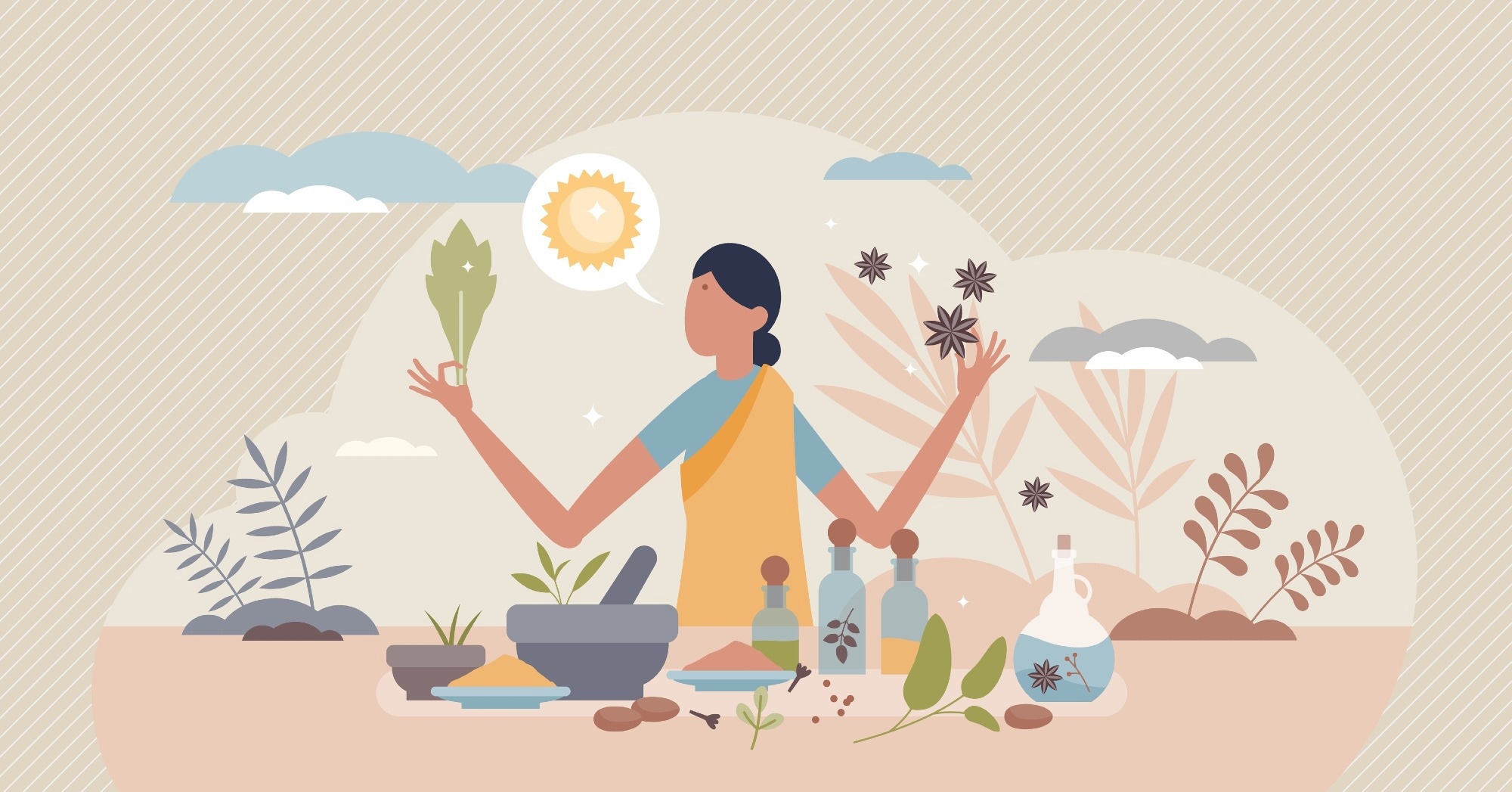
- Herbal & botanical support: adaptogens and traditional herbs used thoughtfully to support stress, sleep, and immunity.
- Energy & spiritual care: practices like Reiki, chakra work, or contemplative prayer for meaning and inner alignment (optional, personalized).
- Psychotherapeutic support: trauma-informed counseling and somatic therapies to heal emotional wounds.
Evidence & Science Behind the Approach
While “holistic” can sound broad, many individual components have robust scientific support. Mindfulness and meditation lower cortisol and inflammation. Exercise improves neuroplasticity and mood. Nutrition changes gut microbiome balance and systemic inflammation. Nature exposure elevates natural killer cell activity and reduces stress markers. The strength of holistic care is combining these evidence-based practices into a cohesive, individualized plan.
“Treat the person, not the disease.” a guiding principle that explains why integrated care often produces deeper, longer-lasting results.

How to Build a Practical Holistic Program (Step-by-Step)
A useful program is simple, sustainable, and tailored. Below is a practical starter plan you can adapt.
- Assess: basic check sleep patterns, digestion, mood, energy, movement, stressors.
- Stabilize basics: prioritize sleep (7–8 hours), daily movement, consistent meals, and hydration.
- Daily mind-body practice: 10–20 minutes of breathwork or meditation to regulate the nervous system.
- Nature dose: 20–30 minutes outside daily walk, sit, or garden to boost immunity and mood.
- Personalized nutrition: clean whole foods, anti-inflammatory spices (turmeric, ginger), and gut-supportive foods.
- Targeted therapies: massage, acupuncture, or herbal support as needed for pain, sleep, or hormonal balance.
- Community & meaning: connection, creative expression, or practices that bring purpose and joy.
The goal is progressive change: small, consistent steps add up to a resilient, balanced life.
Real-Life Examples How People Benefit
People who adopt holistic programs typically report:
- More stable mood and fewer overwhelm episodes
- Better sleep and clearer mornings
- Reduced reliance on quick fixes (stimulants, crash diets)
- Stronger immune responses and quicker recovery from illness
- Greater sense of agency and inner calm
Common Mistakes & How to Avoid Them
Holistic care requires patience. Some common missteps:
- Trying everything at once: start small and build habits gradually.
- Expecting overnight cures: sustainable change takes time and consistent practice.
- Ignoring personalization: what helps one person may overwhelm another tailor interventions.
- Skipping professional guidance: consult qualified practitioners when using herbs, supplements, or intensive therapies.
Practical 7-Day Mini Program (Example)
Try this gentle week to experience how integrated practices compound:
- Daily: 10 minutes morning breathwork + 20 minutes nature walk + balanced meals.
- Every other day: 30 minutes gentle yoga or mindful movement.
- Midweek: 60-minute restorative session (massage, long bath, or guided relaxation).
- Weekend: social connection (shared meal, community walk) and digital detox for one afternoon.
This mini-program reboots nervous system balance and highlights which practices feel most supportive for you.
Conclusion: Whole-Life Health
Holistic healing is not a trend it is a return to common sense: support the body, calm the mind, nourish the spirit, and live in rhythm with nature. By integrating small, science-informed practices into daily life, holistic care helps people not just survive, but thrive.
If you’d like, GreenHealth can help you design a personalized holistic program a step-by-step plan that fits your life and brings steady, lasting change.